

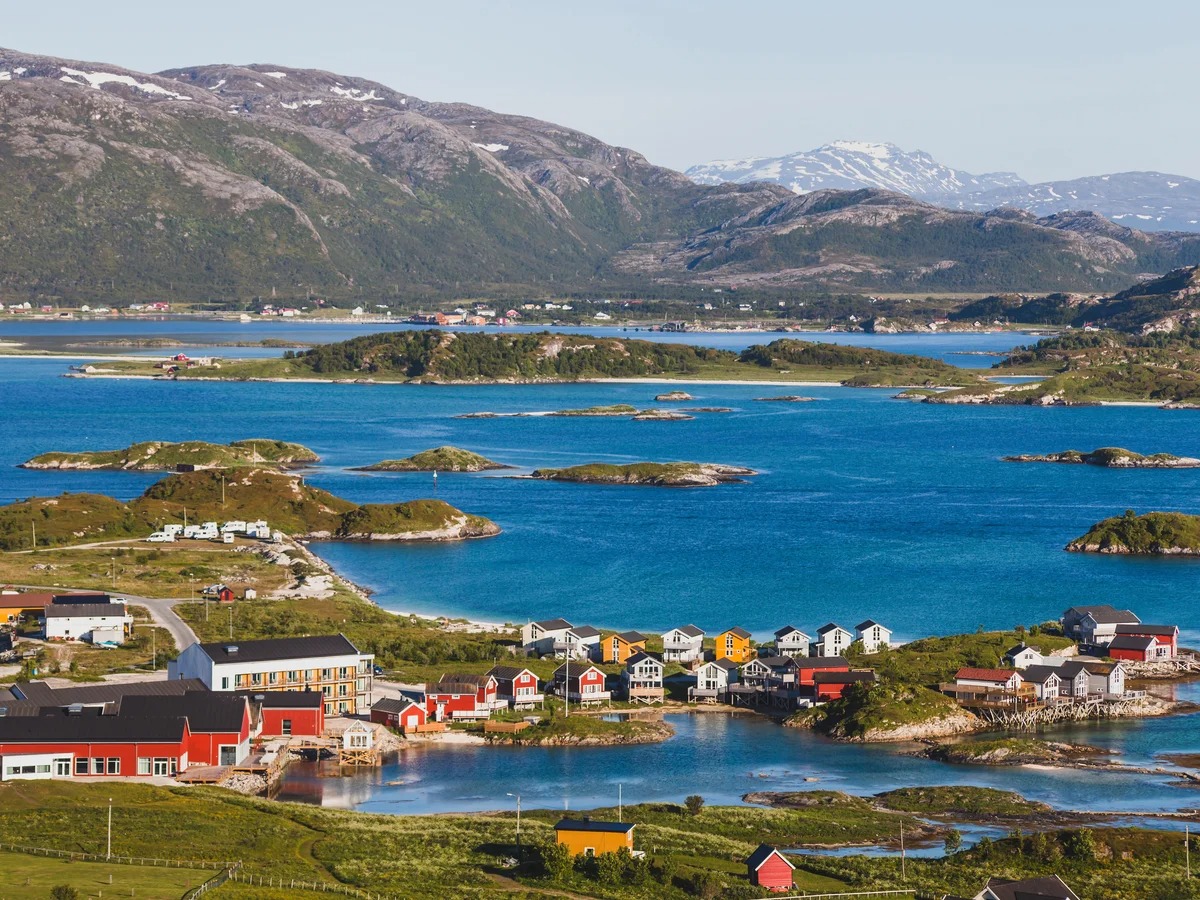
While much of the world races against the clock to meet daily schedules, residents of Sommarøy Island in northern Norway chose a radically different path, abandoning strict observance of time years ago.
On the small island, home to about 300 to 350 people, life is no longer dictated by hours and minutes but by personal rhythms and the changing moods of nature.
In 2019, community leaders in Sommarøy made a bold decision to encourage residents to stop living by the clock, arguing that conventional timekeeping made little sense in a place defined by extreme and unpredictable natural light patterns.
From May 18 to July 26, the sun never sets on Sommarøy, creating the phenomenon known as the midnight sun, where daylight lasts 24 hours a day.
In contrast, between November and January, the sun does not rise at all, plunging the island into prolonged darkness broken only by brief periods of twilight.
These dramatic shifts make it difficult for residents to follow conventional daily schedules.
As a result, many islanders now organize their lives according to how they feel rather than what the clock dictates.
People sleep, work, relax, and socialize when it feels natural to them. Local leaders say this lifestyle has helped reduce stress, improved overall well-being, and encouraged residents to prioritize rest and personal comfort.
To symbolize their commitment to this time-free approach, residents removed public clocks from the bridge leading into the island. Visitors are also encouraged to embrace the same philosophy, leaving behind rigid schedules and adapting to Sommarøy’s natural rhythm.
In Sommarøy, life flows not by deadlines, but by daylight, darkness, and the simple human need for balance.
